
Members Login


Channels
Special Offers & Promotions
Malvern
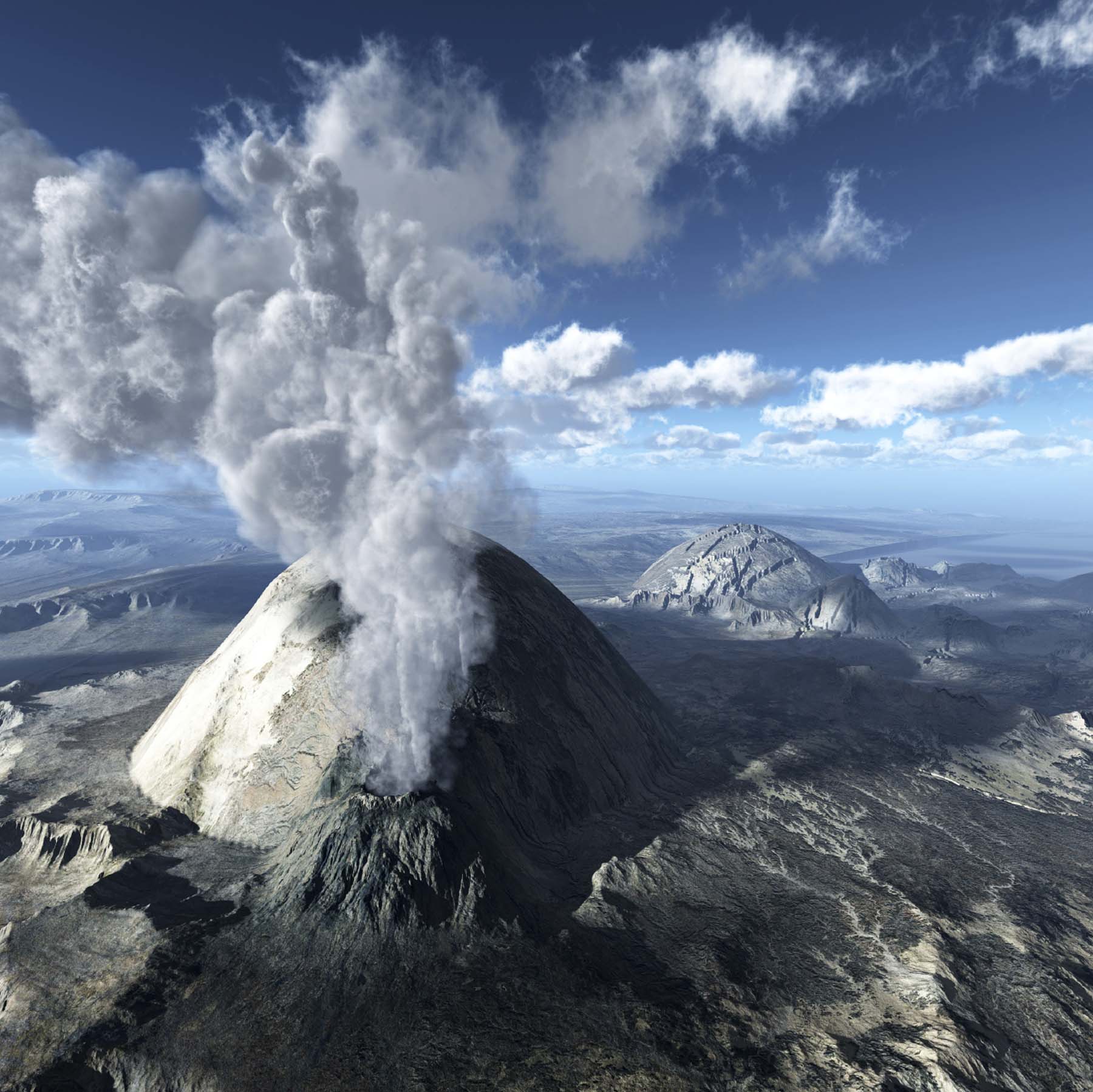 The Mastersizer 2000 laser diffraction particle size analyzer is one of the first instruments applied by scientists when assessing the respiratory health hazard of volcanic ash. Dr Claire Horwell, Director of the International Volcanic Health Hazard Network, receives volcanic ash samples from all over the world at her lab at Durham University, UK. Working within the Institute of Hazard Risk and Resilience, Dr Horwell's remit is to provide rapid advice as to the likely health hazard of ash from particular volcanoes to support agencies working at the site of the eruption. Clearly the events of this year with the eruption of Eyjafjallajökull in Iceland and the effect on air travel have heightened awareness internationally of this work.
"The Mastersizer 2000 is the first instrument we turn to with a new sample," explains Dr Horwell, "because it quickly provides a reliable measurement of the grain size of the volcanic ash, and in particular, quantifies what fraction of the ash lies in the sub- 4 micron range. Material in this range will tend to deposit in the deep lung if inhaled. If we find an appreciable respiratory risk we can advise those working on the ground and can go on to carry out further tests that quantify the potential for harm in greater detail."
The volcanic samples are measured following ultrasonication of the ash in water in order to achieve full dispersion of any very fine particles, which may form strongly-bound agglomerates during eruption and sample transport. This ensures that the primary grain size is measured and avoids underestimation of the respiratory hazard. The dispersion process is fully automated within the Mastersizer 2000 system, allowing measurements to be completed in just a few minutes.
The amount of ash in the sub-4 micron region varies considerably. Research suggests it can lie anywhere in the range 0 to 17% depending on the style of the eruption and the distance from the volcano. For samples containing health-threatening quantities of inhalable fines, compositional analysis provides more detailed information as to the likely impact of the ash in vivo.
The IVHHN is an umbrella organization launched in 2003 that provides research and information on volcanic health hazards. It currently involves 31 experts from 25 international institutions. Working across diverse scientific disciplines such as volcanology, epidemiology, toxicology, public health and physical chemistry, these experts share the common aim of determining the health effects of volcanic emissions.
For more information about Malvern's Mastersizer systems visit www.malvern.com
To find out more about the work of the IVHHN, visit www.ivhhn.org
Subscribe to any of our newsletters for the latest on new laboratory products, industry news, case studies and much more!

Popular this Month
Top 10 most popular articles this month
Today's Picks
Looking for a Supplier?
Search by company or by product
Please note Lab Bulletin does not sell, supply any of the products featured on this website. If you have an enquiry, please use the contact form below the article or company profile and we will send your request to the supplier so that they can contact you directly.
Lab Bulletin is published by newleaf marketing communications ltd.
Media Partners