
Members Login


Channels
Special Offers & Promotions
Ocean Optics Sensors USP Class VI Certified
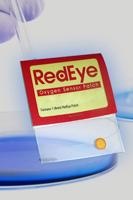 Expanding
the potential applications for its oxygen and pH sensing patches, Ocean Optics has obtained
United States Pharmacopeia (USP) Class VI certification for these products. The
company's HIOXY coating for RedEye Oxygen patches and Sol-gel coating for pH
applications have successfully met the stringent testing criteria required for
this certification.
Expanding
the potential applications for its oxygen and pH sensing patches, Ocean Optics has obtained
United States Pharmacopeia (USP) Class VI certification for these products. The
company's HIOXY coating for RedEye Oxygen patches and Sol-gel coating for pH
applications have successfully met the stringent testing criteria required for
this certification. Ocean Optics' optical O2 and pH sensors designed for accurate, real-time, in situ measurements in packaging and other enclosed containers. The proprietary sensor coating materials do not consume the sample and can be applied to substrates such as probes, self-adhesive acrylic patches (the format tested for USP Class VI) and microtiter wells. Coating options are available for general lab use, high-sensitivity applications and hydrocarbon-rich environments. Depending on the application, oxygen presence or pH can be visually determined by color change with a handheld LED, or a fluorometer can be used to make exact measurements.
The USP is a non-governmental standards setting organization. Class VI is its most stringent testing protocol for classification of plastics used in medicines and other health care technologies. With USP Class VI certification, the biocompatibility, toxicity and extractables of Ocean Optics' sensor coatings are assured to be compatible with biological and pharmaceutical processes and implantable devices. Testing and certification were provided by NAMSA (Northwood, Ohio).
Headquartered in Dunedin, Fla., Ocean Optics is a leading supplier of solutions for optical sensing - fundamental methods of measuring and interpreting the interaction of light with matter. With locations in Asia and Europe, the company has sold more than 150,000 spectrometers worldwide since 1992. Ocean Optics' extensive line of complementary technologies includes chemical sensors, analytical instrumentation, optical fibers, metrology products and optics. The company is a subsidiary of Halma p.l.c., an international market leader in safety, health and sensor technology.
For further information please visit www.OceanOptics.com
Subscribe to any of our newsletters for the latest on new laboratory products, industry news, case studies and much more!

Popular this Month
Top 10 most popular articles this month
Today's Picks
Looking for a Supplier?
Search by company or by product
Please note Lab Bulletin does not sell, supply any of the products featured on this website. If you have an enquiry, please use the contact form below the article or company profile and we will send your request to the supplier so that they can contact you directly.
Lab Bulletin is published by newleaf marketing communications ltd.
Media Partners