
Members Login

Channels
Special Offers & Promotions
Olympus releases the multi-purpose DP73 and DP73WDR digital cameras for brightfield and fluorescence microscopy
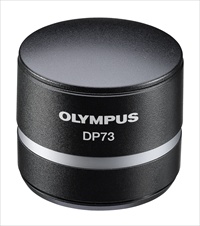 Olympus has today released the new ultra resolution DP73
and DP73WDR digital cameras, for quality without compromise in brightfield and
fluorescence imaging. The new multi-purpose cameras leverage Olympus's
expertise in pixel shift sensors and high-end consumer DSLR camera design to
generate extremely detailed and accurately coloured images. This is achieved
using the company's new ‘3CCD mode' and ‘Fine Detail Process' technologies. In
addition, the DP73WDR employs the Olympus WiDER (Wide Dynamic Range) technology
to ensure that each specific image area is always optimally exposed, regardless
of any differences in intensity. Both cameras also include a high-definition
live mode that makes sample browsing using the monitor comfortable, fluid and
easy. The Olympus DP73 and DP73WDR are the ideal choice for vivid and accurate
imaging, fully utilising the high quality offered by the optics of your
microscope system.
Olympus has today released the new ultra resolution DP73
and DP73WDR digital cameras, for quality without compromise in brightfield and
fluorescence imaging. The new multi-purpose cameras leverage Olympus's
expertise in pixel shift sensors and high-end consumer DSLR camera design to
generate extremely detailed and accurately coloured images. This is achieved
using the company's new ‘3CCD mode' and ‘Fine Detail Process' technologies. In
addition, the DP73WDR employs the Olympus WiDER (Wide Dynamic Range) technology
to ensure that each specific image area is always optimally exposed, regardless
of any differences in intensity. Both cameras also include a high-definition
live mode that makes sample browsing using the monitor comfortable, fluid and
easy. The Olympus DP73 and DP73WDR are the ideal choice for vivid and accurate
imaging, fully utilising the high quality offered by the optics of your
microscope system.The new Olympus DP73 and DP73WDR digital cameras provide high resolution, accurate and vibrant colour reproduction, as well as effective fluorescence performance thanks to active Peltier cooling. New technological innovations such as an improved sensor chip and pixel-shifting mechanism provide an unprecedented maximum resolution of 17.28 megapixels. In addition, the ‘3CCD mode' improves colour accuracy by capturing true RGB values for every recorded pixel without the need for colour interpolation. This produces high quality images free from artefacts at any zoom level, generating results similar to those obtained using cameras with three dedicated monochrome sensor chips.
For the first time, Olympus's ‘Fine Detail Process' technology, which was developed for the high end Olympus E-5 consumer DSLR camera, has been included in a microscope camera. This allows the DP73 and DP73WDR to produce crystal clear images at all magnifications. Imaging using sensitive fluorescence dyes is extremely easy, thanks to the ‘photobleaching correction mode', which automatically adjusts for changes in intensity such as those that occur during sensor pixel-shifting. The new progressive readout sensor also offers a fluid 15 fps ‘live mode' at a resolution of 1600x1200 pixels, as well as working in the Adobe® RGB colour space, representing subtle colour differences with exceptional accuracy. Browsing the sample using the monitor provides strain-free viewing, while allowing data to be easily shared with colleagues in high definition.
On top of all these benefits, the DP73WDR also includes Olympus's WiDER technology, which automatically optimises tonal curves and gain in each region of the image. This occurs in real-time and, together with the broad sensitivity range (ISO 100-1600), minimises the effects of under- or overexposure, clearly showing all the details in very bright and very dark areas at the same time. The new Olympus DP73 and DP73WDR cameras incorporate the latest technological innovations required to produce images with outstanding detail, clarity and colour fidelity. When used as part of an integrated microscopy system utilising Olympus optics, frames and software, what you see using the oculars is exactly what you get on the monitor screen.
For further information visit www.microscopy.olympus.eu
Subscribe to any of our newsletters for the latest on new laboratory products, industry news, case studies and much more!

Popular this Month
Top 10 most popular articles this month
Today's Picks
Looking for a Supplier?
Search by company or by product
Please note Lab Bulletin does not sell, supply any of the products featured on this website. If you have an enquiry, please use the contact form below the article or company profile and we will send your request to the supplier so that they can contact you directly.
Lab Bulletin is published by newleaf marketing communications ltd.
Media Partners